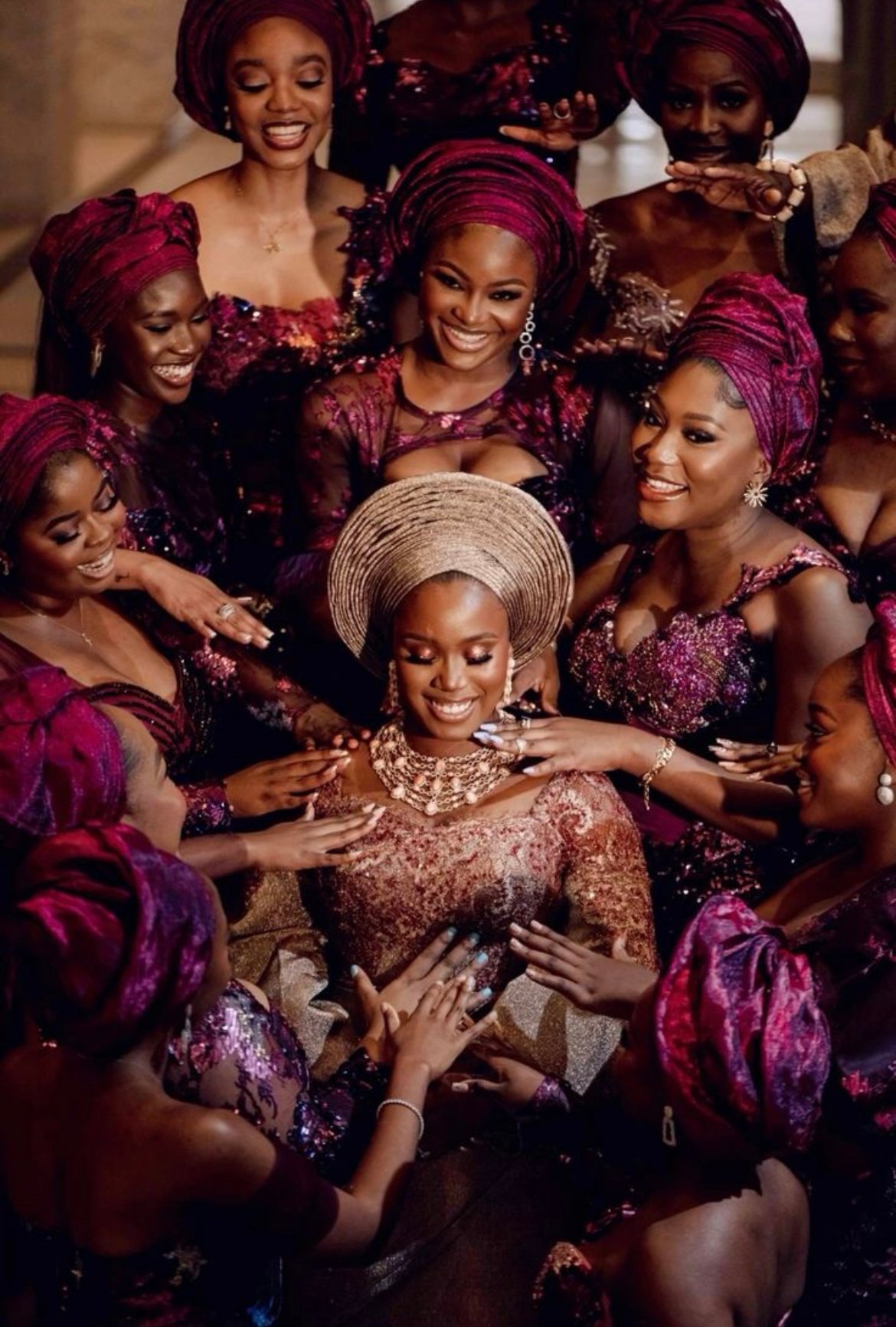
In the Nigerian wedding journey, there is a legendary debate that almost every couple faces: The Order of Operations.
Do you head to the Ikoyi or Abuja Registry first to “get it over with,” or do you perform the Traditional rites (Igba Nkwu, Engagement, or Fatihah) to satisfy the families before the law steps in? In 2026, with shifting legal landscapes and the rising cost of celebrations, the order you choose can significantly impact your stress levels and your pocket.
Here is the breakdown of the pros and cons of each path.
Option A: Court Wedding First (The “Legal Foundation” Approach)
Many modern couples are opting to visit the registry weeks or even months before their traditional ceremony.
The Pros:
-
Immediate Legal Security: From the moment you sign, you are legally protected under the Marriage Act. This is vital for couples planning to process visas, travel together, or handle joint insurance immediately.
-
Budget Clarity: Knowing you are “already married” often takes the pressure off the big party. Some couples find they are more disciplined with their traditional wedding spending because the primary goal (legal union) is already achieved.
-
Smaller Crowds: Registry offices have strict guest limits. Doing this first allows you to have a private, intimate moment with just your parents and witnesses before the “500+ guest” chaos begins.
The Cons:
-
Family Friction: In some very traditional settings, parents may feel that a court wedding “doesn’t count” until the bride price has been paid. Doing the court first can sometimes feel like “jumping the gun.”
-
The “Married” Confusion: Once you do court, you are legally Mr. & Mrs. However, socially, many Nigerians won’t recognize you as “married” until the traditional rites are performed. This can lead to awkward “Are they or aren’t they?” questions from extended family.
Option B: Traditional Wedding First (The “Cultural Priority” Approach)
This is the classic Nigerian route: honoring the ancestors and the family unit before the government.
The Pros:
-
Family Harmony: Starting with the Trad satisfies the elders. It acknowledges that marriage in Nigeria is a union of two families, not just two individuals.
-
The Full Experience: For many, the traditional wedding is the “real” wedding. Doing it first allows the emotional and cultural high of the union to lead the way.
-
The “Double Celebration”: Often, the court wedding follows a few days later as a quiet “administrative” wrap-up, allowing the couple to transition smoothly into their new life.
The Cons:
-
Legal Vulnerability: Until you hit the registry, you are married under Customary Law. While valid, it can be harder to prove for international purposes (visas, foreign bank accounts) compared to a Federal Marriage Certificate.
-
The “Energy Burnout”: Traditional weddings are exhausting. Many couples find that after the intense logistics of a Trad, they are too tired to properly handle the registry requirements, leading to missed appointments or lost paperwork.
Option C: The “Same Week” Sprint (2026’s Most Popular Trend)
In 2026, we are seeing a massive rise in the “Wedding Week” strategy:
-
Thursday: Court Wedding (Registry)
-
Friday: Traditional Wedding (Engagement/Igba Nkwu)
-
Saturday: White Wedding/Reception (Optional)
The Benefit: It keeps the momentum high and the “celebration mode” active. It also saves money on logistics like makeup, hair, and photography, as you can often negotiate a “bundle deal” with vendors for the consecutive days.
Which Order is Right for You?
Ask yourselves these three questions:
-
Do we need a marriage certificate ASAP? (If yes, do Court first).
-
Is family approval our #1 priority? (If yes, do Trad first).
-
Are we on a tight budget? (If yes, doing them in the same week saves on recurring costs).